A new generation of sensors for health monitoring in space and on Earth
With Artemis II in April 2026, humans ventured beyond low Earth orbit for the first time in more than 50 years. For future Artemis missions and even more ambitious crewed expeditions – such as to Mars – maintaining astronaut health and performance are of the highest priority.
This requires autonomous and reliable health monitoring systems. Wearable, non-invasive sensors capable of delivering real-time data are needed without disrupting the crew’s daily routine (crew health and performance monitoring).
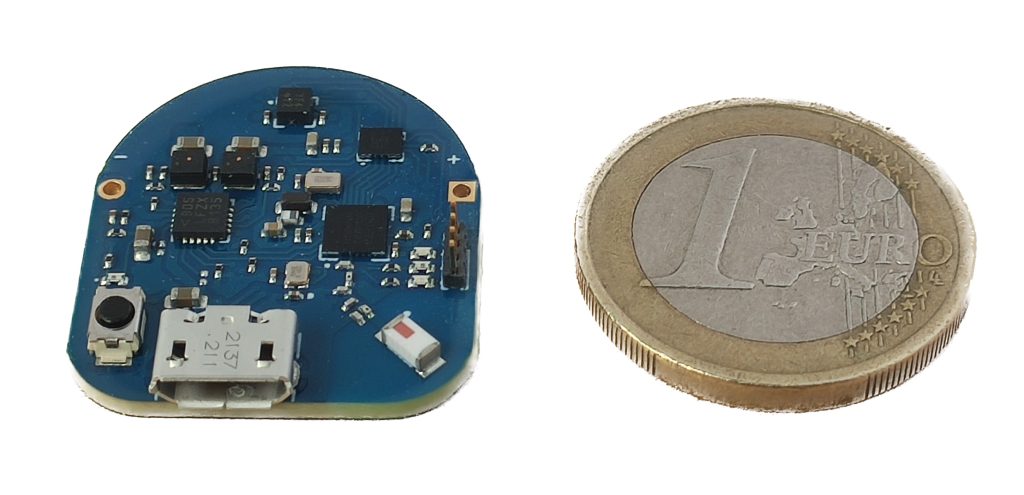
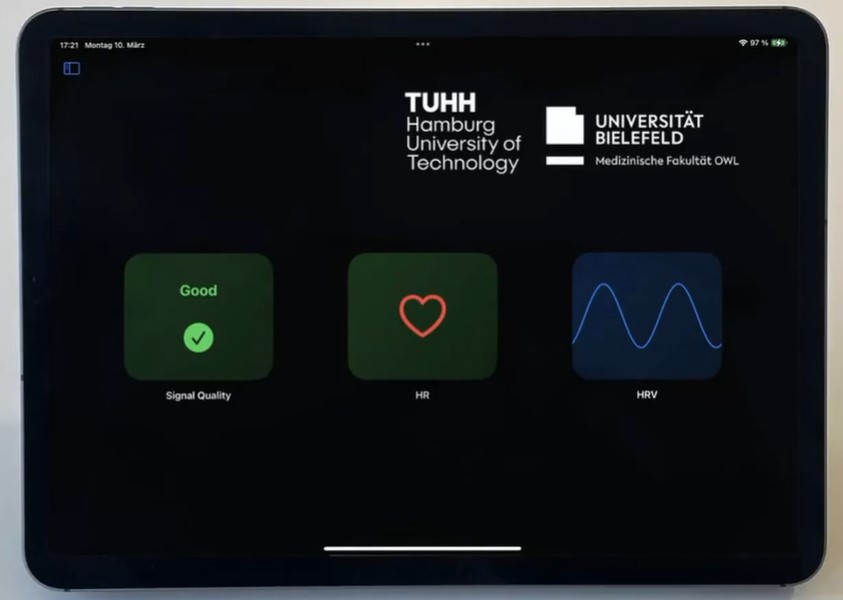
SpacePatch is a system of wearable electronic devices that combines intelligent sensor technology, on-board signal processing and AI-assisted analytics. This self-sufficient system, which operates independently of internet and cloud connectivity, is designed to withstand radiation exposure in space and is also suitable for use on post-Artemis missions.
SpacePatch is the first cardioballistic sensor developed specifically for these challenges and is designed to monitor cardiac health. The sensor is small, lightweight and radiation-resistant. Astronauts can wear it during everyday activities, physical exercise and sleep. It also provides important health data before and during particularly demanding spacewalks.
Beyond space applications, the sensor also offers a wide range of applications on Earth – in medicine, sports therapy, elderly care and occupational health and safety. In the future, the SpacePatch Systems platform is intended to enable personalised and preventive healthcare through continuous data collection and diagnostics.
Developing wearable intelligent sensors for use in space thus also contributes to personalising and modernising medicine on Earth.
The project is supported by the German Space Agency at DLR with funds from the Federal Ministry of Research, Technology and Space (BMFTR).
German Aerospace Center (Deutsches Zentrum für Luft- und Raumfahrt; DLR)
German Space Agency at DLR
E-Mail contact-dlr@DLR.de