Segmentation technology for ultra-long wind turbine rotor blades
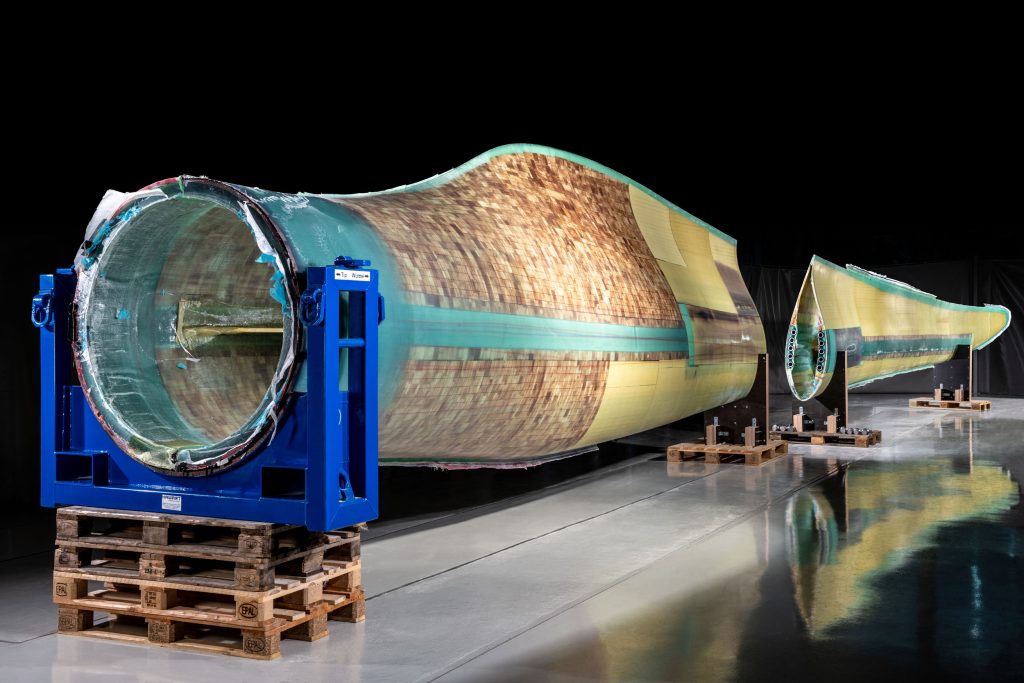
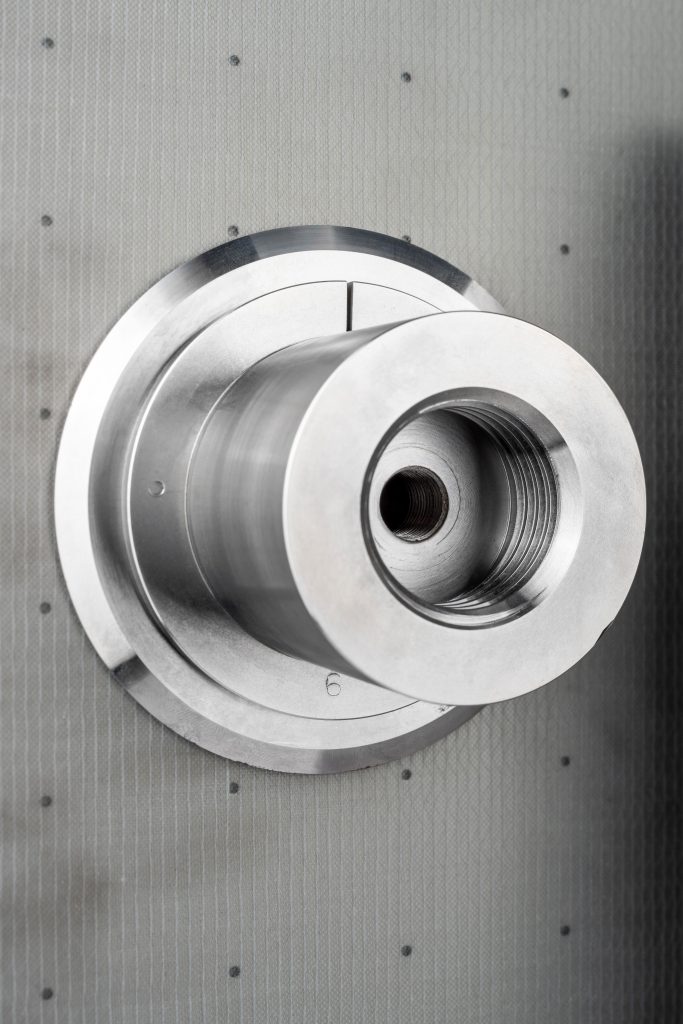
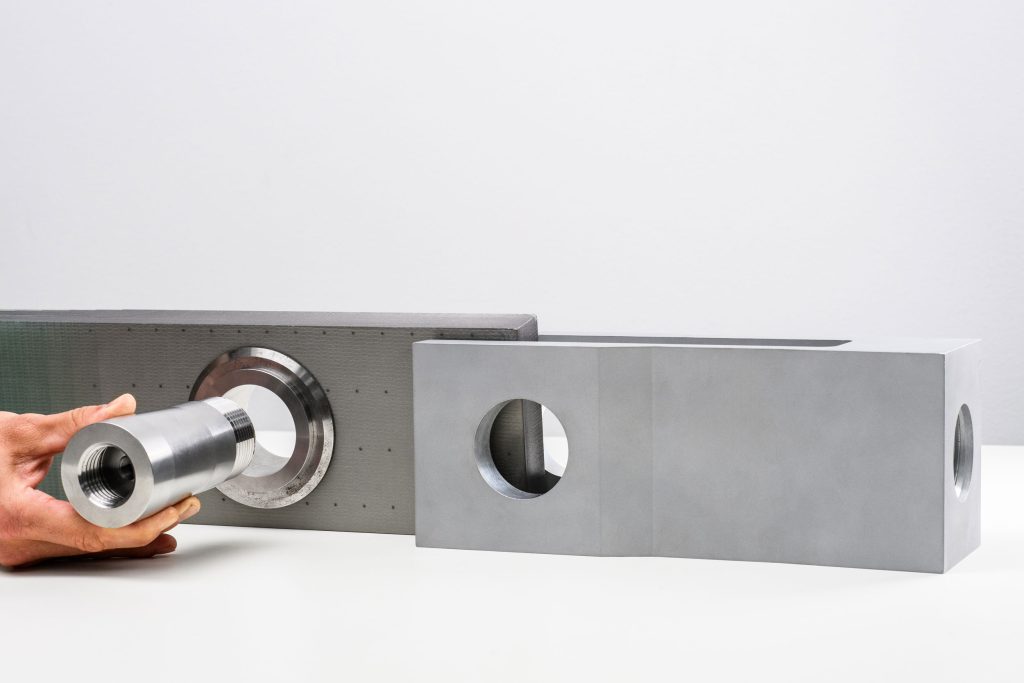
This exhibit demonstrates a bonding technology, developed in-house at DLR, for wind turbine rotor blades. The specially designed bolted joint is considerably more robust than methods currently established on the market. We have achieved this thanks to two technological innovations: The fibre-metal laminates used can tolerate greater loads than conventional laminates, and radially and axially pretensioned bolts distribute the load better than conventional bolts in the laminate. Our connection technology enables ultra-long rotor blades to be manufactured in two segments, making transportation significantly easier.
This development is motivated by the need for further cost reduction. Over recent decades, the levelised cost of energy (LCOE) for wind turbines has fallen significantly, particularly thanks to the development of ever-bigger turbines. If this trend continues, onshore rotor blades measuring over 100 metres in length will enter the market before 2030. In addition to falling costs, the limited space available for wind farms is also driving this development: It is possible to generate more wind energy across the same surface area with a few large turbines instead of many smaller ones. This is because larger turbines harness the stronger high-altitude winds. As such, the increase in size is contributing considerably to an economically viable energy transition while minimising land use.
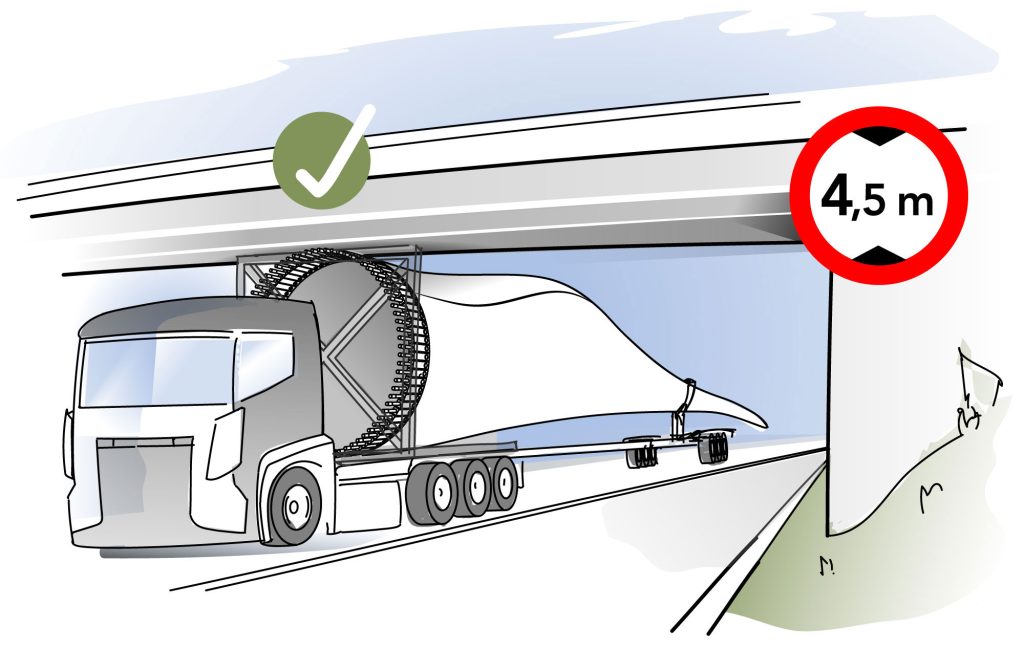
That said, these advantages do throw up logistical challenges, as longer rotor blades are more difficult to transport. Cutting down trees or disassembling infrastructure is often the only way to navigate tight curves, with some locations altogether unreachable. The blade root is also becoming a problem, as most bridges with a 4.5-metre clearance height only allow blade root diameters of approximately four metres. Our technology overcomes these limits with segmented rotor blades and slim blade roots. This enables the use of onshore rotor blades measuring up to 150 metres in length, further reducing the price of wind energy.
Link:
German Aerospace Center (DLR)
The Institute of Lightweight Systems
Email contact-dlr@DLR.de
Credits: ©DLR