The missions of German ESA astronauts Alexander Gerst and Matthias Maurer
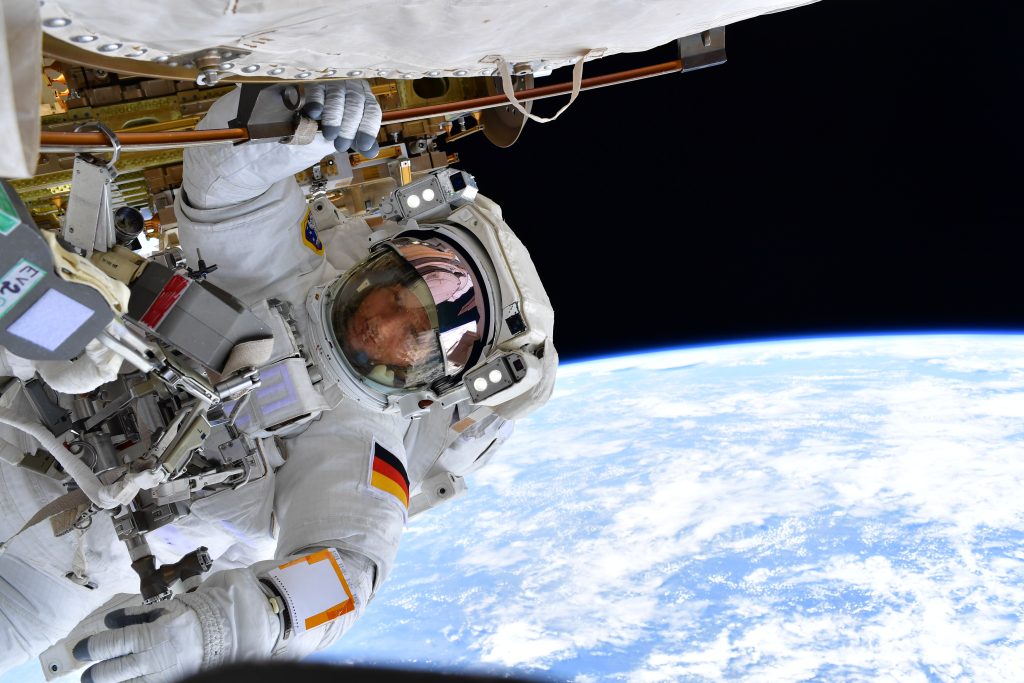
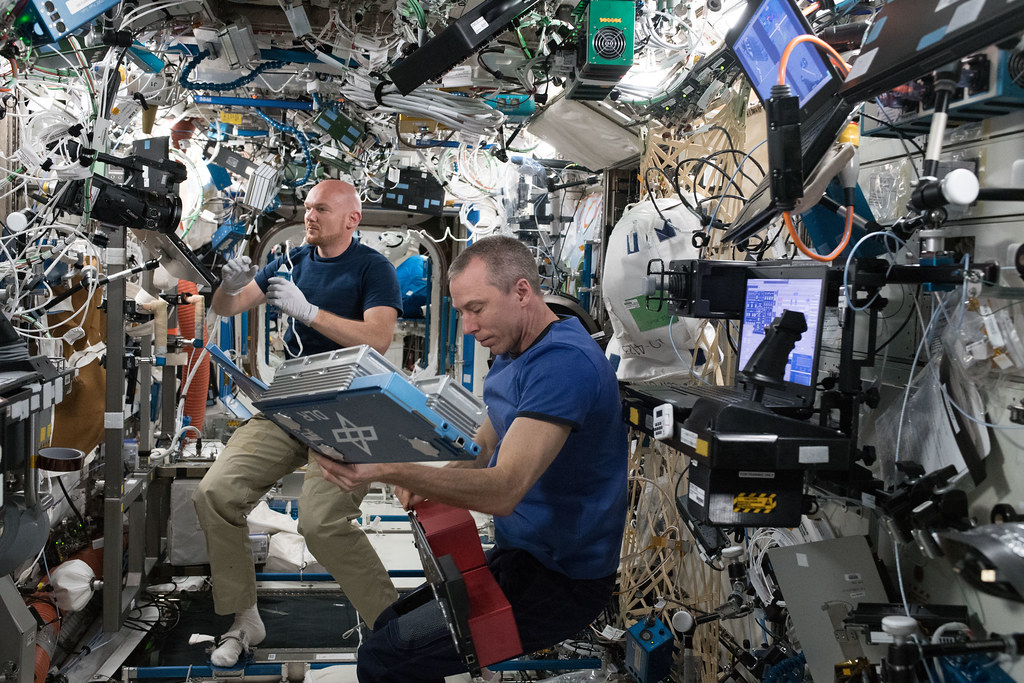
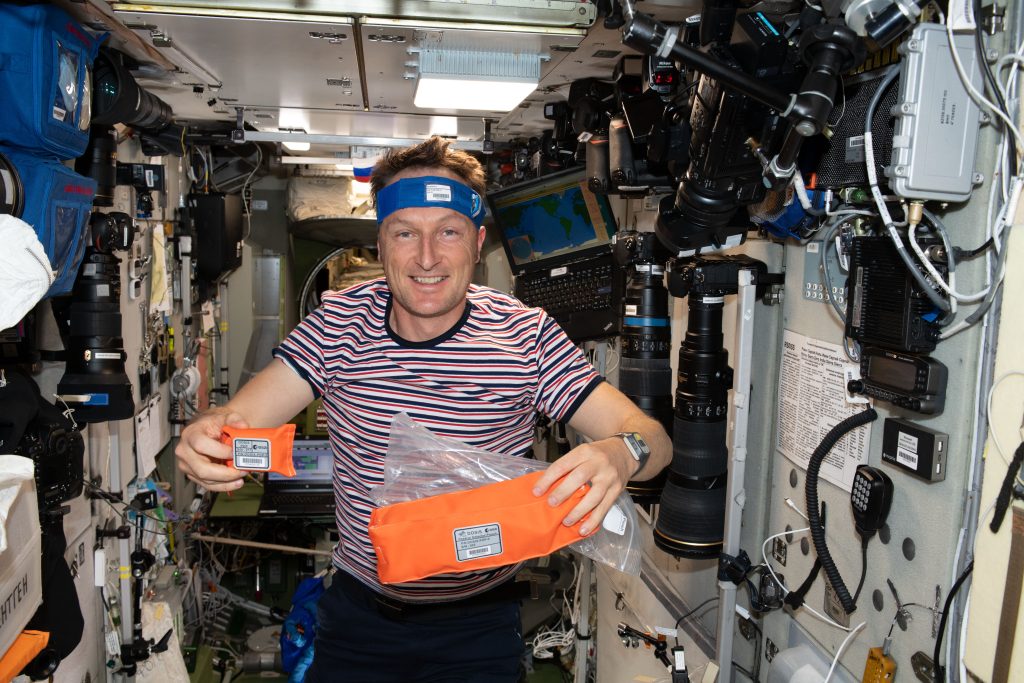
When astronauts set off for space, their missions capture the imagination. However, the flights of German ESA astronauts Alexander Gerst and Matthias Maurer to the International Space Station (ISS) also made significant contributions to scientific research.
During his two missions – ‘Blue Dot’ (28 May to 10 November 2014) and ‘horizons’ (6 June to 20 December 2018) – Alexander Gerst spent more than 362 days on the ISS, became the first German commander of the space station and carried out approximately 150 experiments. During his ‘Cosmic Kiss’ mission (10 November 2021 to 6 May 2022), Matthias Maurer spent 176 days in space and worked on approximately 240 international experiments, including 35 from Germany.
We were involved in the missions of both astronauts in a variety of ways. The German Space Agency at DLR, headquartered in Bonn, was responsible for selecting and coordinating experiments and contributions from German universities, higher education institutes and industry. DLR researchers also conducted their own experiments.
The Columbus Control Centre of the European Space Agency (ESA), located at the DLR German Space Operations Center in Oberpfaffenhofen, was responsible for planning and carrying out the experiments conducted in the European Columbus module on the ISS. From here, experimental data was sent to the national user control centres and from there to the researchers and industrial partners involved in the missions.
Link:
German Aerospace Center (Deutsches Zentrum für Luft- und Raumfahrt; DLR)
German Space Agency at DLR
E-Mail contact-dlr@DLR.de