Radiation detector family for use in space
Increased radiation exposure in space is one of the limiting factors for long-duration human missions beyond Earth. The DLR Institute of Aerospace Medicine develops radiation measurement instruments designed to precisely measure this cosmic radiation, thereby helping to assess the radiation risk for astronauts.
The M-42 family of instruments was developed in-house by the Radiation Biology department and consists of a series of devices that build on each other. M-42 instruments have, for example, already flown with NASA on scientific balloons over Antarctica, measured radiation doses during nine DLR MAPHEUS flights and been deployed aboard the International Space Station ISS.
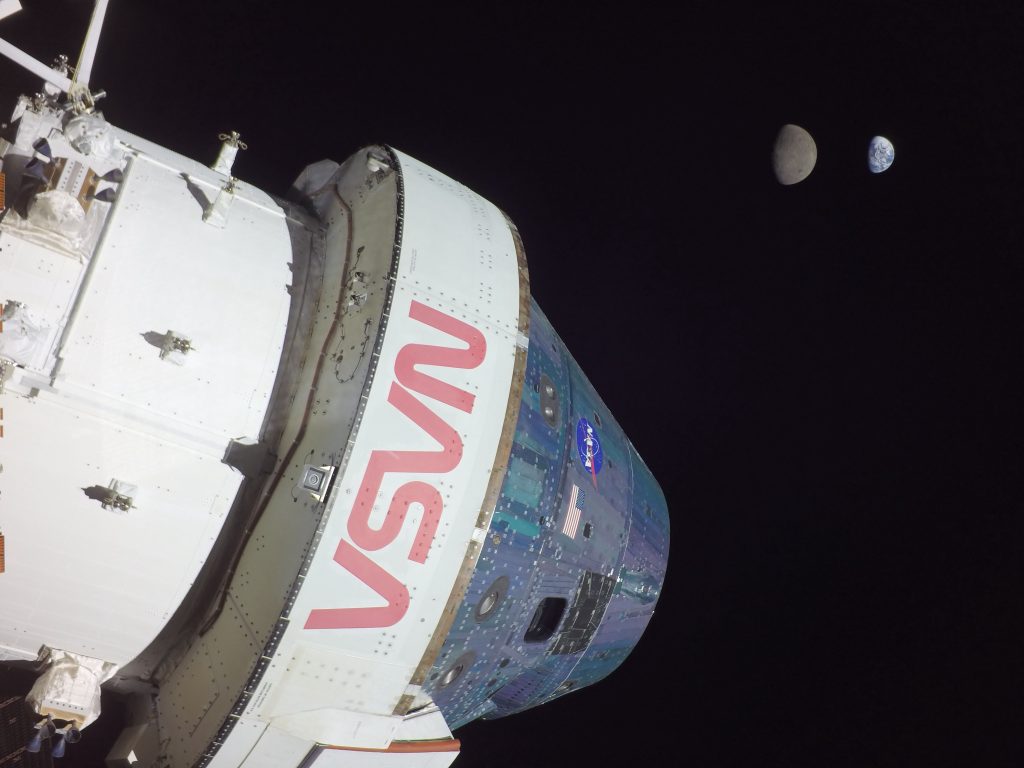
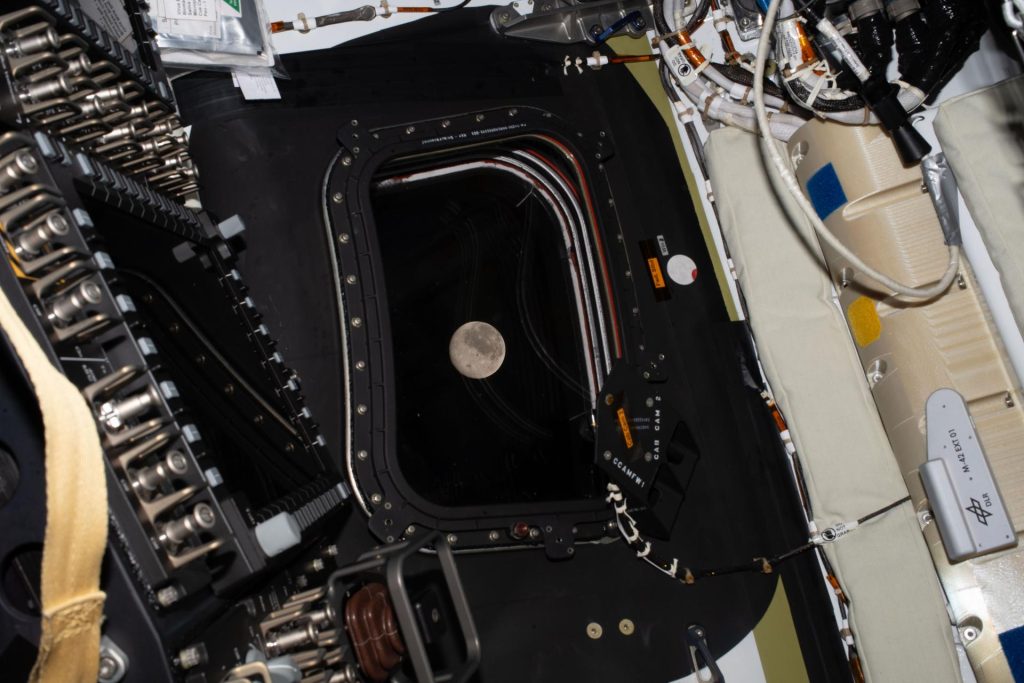
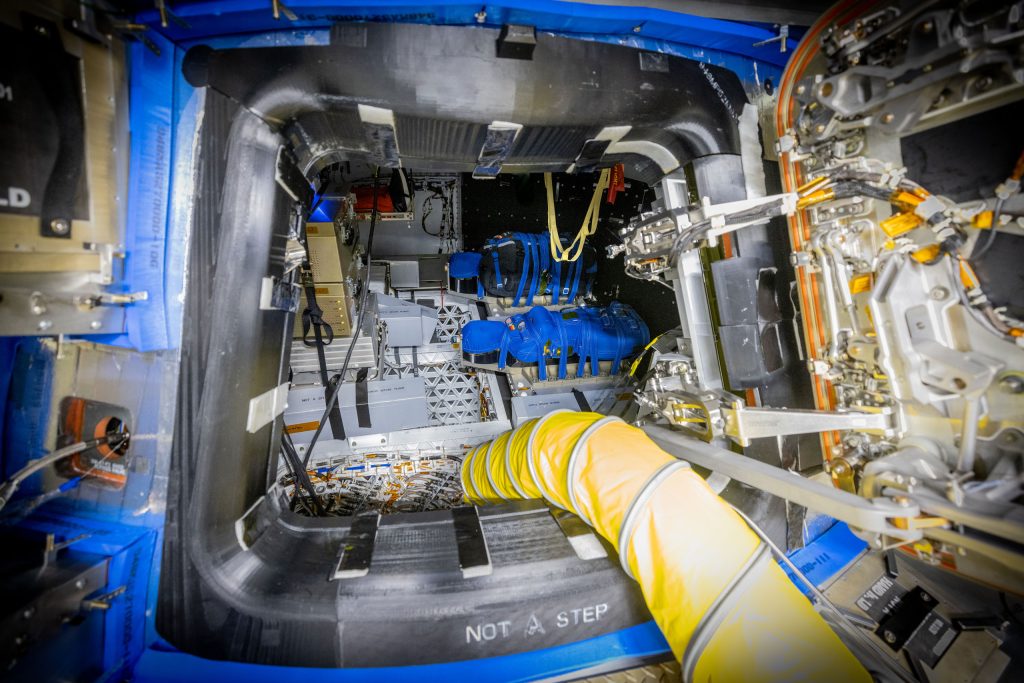
During NASA’s Artemis I mission, 16 M-42 instruments (M-42 Compact and M-42 Split) were used to determine the organ and skin dose of the two radiation-measuring mannequins, Helga and Zohar, as part of the MARE experiment. In doing so, they helped to precisely map the radiation field on the journey to the Moon and back. After that, the M-42 Astrobotic instrument was sent to the Moon aboard the Astrobotic Peregrine I mission. Building on developments made during Artemis I, the instrument was further refined. Four of the new M-42 Extended (EXT) instruments flew to the Moon and back with the four crew members of the Artemis II mission in April 2026.
The M-42 family is currently being expanded: the M-42 Display and M-42 Pocket open up potential applications in aviation and on Earth (with display). Work is also under way on the M-42 CUBE for future satellite missions. These instruments are evidence of the wide range of possible applications for radiation measurement, and also showcase DLR’s developments, which are being tested in flight experiments to contribute to improved radiation protection.
Link:
German Aerospace Center (Deutsches Zentrum für Luft- und Raumfahrt; DLR)
Institute of Aerospace Medicine
E-Mail contact-dlr@DLR.de